DDC (dopa decarboxylase (aromatic L-amino acid decarboxylase))
2011-05-01 Dimitra Florou , Andreas Scorilas , Dido Vassilacopoulou , Emmanuel G Fragoulis AffiliationDepartment of Biochemistry, Molecular Biology, Faculty of Biology, University of Athens 15701, Panepistimiopolis, Athens, Greece
DNA/RNA
Note
The complete nucleotide structure of the human DDC gene has been determined from tissues of neural and non-neural origin (Sumi-Ichinose et al., 1992; Ichinose et al., 1992). The full DDC cDNA sequence has been cloned from human cells, such as pheochromocytoma (Ichinose et al., 1989), liver (Ichinose et al., 1992), hepatoma cells (Scherer et al., 1992), placenta (Siaterli et al., 2003), peripheral leukocytes (Kokkinou et al., 2009b), as well as from several human cell lines, such as, U937 macrophage cells (Kokkinou et al., 2009a), SH-SY5Y, HTB-14 and HeLa cells (Chalatsa et al., 2011).
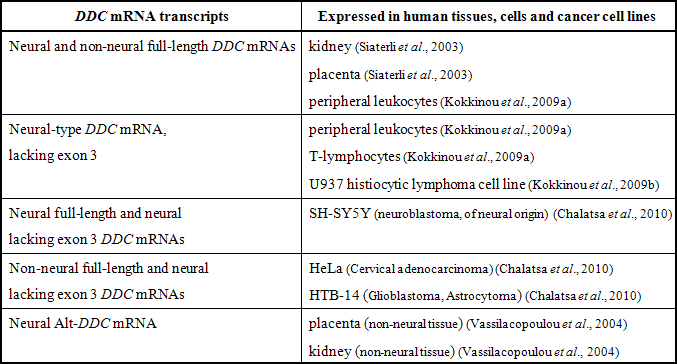
Table 1. Expression of DDC mRNA transcripts in human tissues, cells and cancer cell lines.
Description
The human DDC gene exists as a single-copy in the haploid genome. It is composed of 15 exons and 14 introns, spanning for more than 85 kbs (Sumi-Ichinose et al., 1992). The size of the exons was found to range from 20 to 406 bps (Sumi-Ichinose et al., 1992), whereas the size of the introns ranged from 927 to 24077 bps (Sumi-Ichinose et al., 1992; Yu et al., 2006). The DDC gene is located in close proximity to the epidermal growth factor (EGF) gene (Craig et al., 1992).
Transcription
Alternative splicing events are responsible for the production of two distinct DDC mRNAs, termed neural and non-neural, which differ in their 5 untranslated region (UTR). The neural-type transcript includes exon N1 (83 bps) that is located 17.8 kbs upstream of exon two. The non-neural type DDC mRNA bears exon L1 (200 bps), which is located 4.2 kbs upstream to the location of exon N1. The second exon contains the translation start site and is located 22 kbs downstream from the non-neural (L1) exon (Ichinose et al., 1992). The transcription of the gene starts at position -111 (Sumi-Ichinose et al., 1992).
It has been reported that the two alternative DDC transcripts share identical coding regions and that their production is a result of alternative splicing and alternative promoter usage (Ichinose et al., 1992; Sumi-Ichinose et al., 1995). Neural and non-neural promoters have been identified 5 to the flanking region of the respective exon 1 (Le Van Thai et al., 1993; Sumi-Ichinose et al., 1995; Chatelin et al., 2001; Dugast-Darzacq et al., 2004). The generation of the two alternative DDC mRNAs is not a mutually exclusive and tissue-specific event as previously thought (Siaterli et al., 2003; Vassilacopoulou et al., 2004; Kokkinou et al., 2009a; Kokkinou et al., 2009b; Chalatsa et al., 2011).
An alternative splicing event has been described within the coding region of DDC mRNA, leading to the formation of a shorter transcript lacking exon 3 (OMalley et al., 1995; Chang et al., 1996). It must be noted that the above authors did not specify the nature, neural or non-neural, of this shorter transcript. Recent evidence have revealed the neural nature of this alternative transcript in humans (Kokkinou et al., 2009a; Kokkinou et al., 2009b; Chalatsa et al., 2011).
A novel DDC mRNA coding region splice-variant, resulting in the formation of a truncated DDC mRNA has been also identified. This human DDC mRNA (1.8 kbs), termed as Alt-DDC, lacks exons 10-15 of the full-length transcript, but includes an alternative exon 10 (Vassilacopoulou et al., 2004). The Alt-DDC exon 10 (358 bps) was found within intron 9 of the DDC gene. Although Alt-DDC mRNA was detected in human placenta, high expression levels of this alternative transcript were found in human kidney (Vassilacopoulou et al., 2004).
The notion that transcription of the human DDC gene leads to the production of multiple mRNA isoforms, which are expressed in a non-mutually exclusive and tissue-specific manner, underlines the complexity of the expression patterns of this gene (table 1).
It has been reported that the two alternative DDC transcripts share identical coding regions and that their production is a result of alternative splicing and alternative promoter usage (Ichinose et al., 1992; Sumi-Ichinose et al., 1995). Neural and non-neural promoters have been identified 5 to the flanking region of the respective exon 1 (Le Van Thai et al., 1993; Sumi-Ichinose et al., 1995; Chatelin et al., 2001; Dugast-Darzacq et al., 2004). The generation of the two alternative DDC mRNAs is not a mutually exclusive and tissue-specific event as previously thought (Siaterli et al., 2003; Vassilacopoulou et al., 2004; Kokkinou et al., 2009a; Kokkinou et al., 2009b; Chalatsa et al., 2011).
An alternative splicing event has been described within the coding region of DDC mRNA, leading to the formation of a shorter transcript lacking exon 3 (OMalley et al., 1995; Chang et al., 1996). It must be noted that the above authors did not specify the nature, neural or non-neural, of this shorter transcript. Recent evidence have revealed the neural nature of this alternative transcript in humans (Kokkinou et al., 2009a; Kokkinou et al., 2009b; Chalatsa et al., 2011).
A novel DDC mRNA coding region splice-variant, resulting in the formation of a truncated DDC mRNA has been also identified. This human DDC mRNA (1.8 kbs), termed as Alt-DDC, lacks exons 10-15 of the full-length transcript, but includes an alternative exon 10 (Vassilacopoulou et al., 2004). The Alt-DDC exon 10 (358 bps) was found within intron 9 of the DDC gene. Although Alt-DDC mRNA was detected in human placenta, high expression levels of this alternative transcript were found in human kidney (Vassilacopoulou et al., 2004).
The notion that transcription of the human DDC gene leads to the production of multiple mRNA isoforms, which are expressed in a non-mutually exclusive and tissue-specific manner, underlines the complexity of the expression patterns of this gene (table 1).
Pseudogene
None has been identified yet.
Proteins
Note
Although, it was initially suggested that the DDC gene encoded for a single protein product (Sumi-Ichinose et al., 1992), evidence that demonstrated the expression of additional DDC protein isoforms in humans, argue against it (OMalley et al., 1995; Chang et al., 1996; Vassilacopoulou et al., 2004).
Description
The DDC enzyme (EC 4.1.1.28) was initially purified and characterized from pig kidney (Christenson et al., 1970) as well as from the insects Calliphora vicina (Fragoulis and Sekeris, 1975) and Ceratitis capitata (Mappouras and Fragoulis, 1988; Bossinakou and Fragoulis, 1996). DDC is a homodimer of 100-110 kDa, with a subunit molecular mass of 50-55 kDa (Voltattorni et al., 1979; Mappouras et al., 1990; Bossinakou and Fragoulis, 1996). The full-length protein molecule consists of 480 amino acids (Ichinose et al., 1989). DDC is a pyridoxal-5-phosphate (PLP)-dependent enzyme possessing a single binding-site for PLP per subunit (Voltattorni et al., 1982; Ichinose et al., 1989; Burkhard et al., 2001).
Expression of the DDC gene, in humans, results in the production of additional protein isoforms (OMalley et al., 1995; Chang et al., 1996; Vassilacopoulou et al., 2004). OMalley et al. (1995) identified of a new DDC protein isoform (OMalley et al., 1995). The truncated DDC protein isoform (Mr; 50 kDa) consists of 442 amino acid residues (DDC442). This isoform was found to be inactive towards the decarboxylation of both L-Dopa to Dopamine and 5-Hydroxytryptophan (5-HTP) to serotonin (OMalley et al., 1995). As mentioned above, the translation of Alt-DDC mRNA resulted in the synthesis of a truncated 338 amino acid long polypeptide, termed as Alt-DDC (Mr; 37 kDa). This isoform was identical to the full-length DDC protein up to amino acid residue 315. The remaining 23 amino acids of the C-terminal sequence are encoded by the alternative DDC exon 10 and are not incorporated in the full-length DDC protein sequence (Vassilacopoulou et al., 2004).
Although previous data had suggested that DDC was a rather unregulated molecule, several findings have indicated that DDC activity can be modulated by many factors, such as D1, DA receptor antagonists (Rossetti et al., 1990), a2-adrenergic receptor antagonists (Rossetti et al., 1989), D1, D2 receptor antagonists (Zhu et al., 1992; Hadjiconstantinou et al., 1993), DA receptor agonists (Zhu et al., 1993), PK-A and PK-C mediated pathways (Young et al., 1993; Young et al., 1994) and by endogenous inhibitors isolated from human serum (Vassiliou et al., 2005) and placenta (Vassiliou et al., 2009).
Expression of the DDC gene, in humans, results in the production of additional protein isoforms (OMalley et al., 1995; Chang et al., 1996; Vassilacopoulou et al., 2004). OMalley et al. (1995) identified of a new DDC protein isoform (OMalley et al., 1995). The truncated DDC protein isoform (Mr; 50 kDa) consists of 442 amino acid residues (DDC442). This isoform was found to be inactive towards the decarboxylation of both L-Dopa to Dopamine and 5-Hydroxytryptophan (5-HTP) to serotonin (OMalley et al., 1995). As mentioned above, the translation of Alt-DDC mRNA resulted in the synthesis of a truncated 338 amino acid long polypeptide, termed as Alt-DDC (Mr; 37 kDa). This isoform was identical to the full-length DDC protein up to amino acid residue 315. The remaining 23 amino acids of the C-terminal sequence are encoded by the alternative DDC exon 10 and are not incorporated in the full-length DDC protein sequence (Vassilacopoulou et al., 2004).
Although previous data had suggested that DDC was a rather unregulated molecule, several findings have indicated that DDC activity can be modulated by many factors, such as D1, DA receptor antagonists (Rossetti et al., 1990), a2-adrenergic receptor antagonists (Rossetti et al., 1989), D1, D2 receptor antagonists (Zhu et al., 1992; Hadjiconstantinou et al., 1993), DA receptor agonists (Zhu et al., 1993), PK-A and PK-C mediated pathways (Young et al., 1993; Young et al., 1994) and by endogenous inhibitors isolated from human serum (Vassiliou et al., 2005) and placenta (Vassiliou et al., 2009).
Expression
DDC has been detected throughout the length of the gastrointestinal tract (Eisenhofer et al., 1997) and in blood plasma (Boomsma et al., 1986). DDC is expressed in normal human kidney and placenta (Mappouras et al., 1990; Siaterli et al., 2003). DDC expression was observed in normal peripheral leukocytes and T-lymphocytes (Kokkinou et al., 2009b). Furthermore, DDC is expressed in the human cancer cell lines U937 (Kokkinou et al., 2009a), SH-SY5Y, HeLa and HTB-14 (Chalatsa et al., 2011). Interestingly, the expression of the alternative DDC isoform (Alt-DDC) was also demonstrated in peripheral leukocytes (Kokkinou et al., 2009b), U937 (Kokkinou et al., 2009a), SH-SY5Y and HeLa cell lines (Chalatsa et al., 2011).
In the central nervous system, increased DDC enzymatic activity is detected in the hypothalamus, epiphysis, striatum, locus ceruleus, olfactory bulb and retina (Park et al., 1986). Elevated enzymatic DDC activity is also detected in peripheral organs such as liver, pancreas, kidney, lungs, spleen, stomach, salivary glands, as well as in the endothelial cells of blood vessels (Lovenberg et al., 1962; Rahman et al., 1981; Lindström and Sehlin, 1983).
In the central nervous system, increased DDC enzymatic activity is detected in the hypothalamus, epiphysis, striatum, locus ceruleus, olfactory bulb and retina (Park et al., 1986). Elevated enzymatic DDC activity is also detected in peripheral organs such as liver, pancreas, kidney, lungs, spleen, stomach, salivary glands, as well as in the endothelial cells of blood vessels (Lovenberg et al., 1962; Rahman et al., 1981; Lindström and Sehlin, 1983).
Localisation
DDC was considered to be a cytosolic molecule (Lovenberg et al., 1962; Sims et al., 1973). Nevertheless, additional experimental findings have demonstrated that a population of enzymatically active DDC molecules is associated with the cellular membrane fraction in the mammalian CNS (Poulikakos et al., 2001). Membrane-associated, enzymatically active DDC subpopulations were detected in the highly hydrophobic fractions of normal human leukocytes and U937 cancer cells (Kokkinou et al., 2009a; Kokkinou et al., 2009b).
Function
In terms of substrate specificity, the DDC molecule purified from insects demonstrated a remarkably high affinity towards the decarboxylation of L-Dopa to dopamine (Fragoulis and Sekeris, 1975; Mappouras and Fragoulis, 1988; Bossinakou and Fragoulis, 1996). However, work by Mappouras et al. (1990) in the normal human kidney has suggested that the enzyme is capable of also decarboxylating L-5-Hydroxytryptophan to serotonin, although the decarboxylation activity towards L-5-Hydroxytryptophan was found to be considerably lower than the one observed for L-Dopa (Mappouras et al., 1990). Since DDC expression results in the production of multiple protein isoforms, it is conceivable that these different protein molecules could be responsible for the decarboxylation of other aromatic L-amino acids.
Homology
Comparison of the amino acid sequence of DDC from different species, suggested that the enzyme is an evolutionarily conserved molecule. The amino acid sequence around the coenzyme binding lysine is also evolutionarily conserved (Bossa et al., 1977; Ichinose et al., 1989). The conserved amino acids are residues 267-317, which surround the PLP-binding site (Ichinose et al., 1989), as well as, the extended regions of amino acids 64-155 and 182-204, which according to Maras et al. (1991) are important for the enzymes catalytic function (Maras et al., 1991). Table 2 shows the percentage of human DDC amino acid identity to other species (Maras et al., 1991; Mantzouridis et al., 1997).

Table 2. Human DDC identity.
Mutations
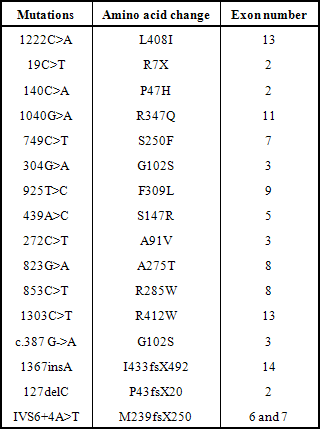
Table 3. The mutations of the DDC gene in the AADC disorder.
Germinal
Such mutations have not been identified so far.
Somatic
Aromatic L-amino acid decarboxylase (AADC) deficiency, a rare autosomaly-recessive inherited defect, is associated with mutations of the DDC gene. This disorder leads to profound modifications in the homeostasis of central and peripheral nervous system (Hyland et al., 1992). In their majority, such mutations are missense and are listed above (table 3). Other mutations of the human DDC gene that are related to AADC-deficiency are also included (Fiumara et al., 2002; Chang et al., 2004; Pons et al., 2004; Tay et al., 2007; Lee et al., 2009).
Implicated in
Entity name
Prostate cancer
Note
Neuroendocrine differentiation features have been identified in prostatic adenocarcinoma. Aggressiveness of the disease is increased as the cells reach the androgen-independent phase (Speights et al., 1997; Nelson et al., 2002). L-Dopa decarboxylase has been identified as a novel androgen receptor (AR) coactivator protein (Wafa et al., 2003). Recent evidence have shown that the expression of DDC mRNA could serve as a potential novel biomarker in prostate cancer (Avgeris et al., 2008). Wafa et al. (2007) have indicated by immunohistochemistry that DDC was found to be a putative neuroendocrine marker for prostate cancer. In certain NE tumor cells of the prostate gland, DDC was found to be co-expressed with AR. DDC expression was increased after hormone-ablation therapy, as well as, in metastatic tumors that have progressed to the androgen-independent phenotypes (Wafa et al., 2007).
Disease
Increased DDC mRNA and/or elevated protein expression levels were detected in the LnCaP cell line following synthetic androgen treatment. DDC protein was found to be enzymatically active in the androgen-treated LnCaP cells as compared to the untreated controls. In treated LnCaP cells, DDC was up-regulated during AR-activation, while DDC expression was down-regulated following AR-inhibition. These findings support a coactivator role for DDC in AR activation (Shao et al., 2007). DDC over-expression affects the gene expression profile of the androgen-dependent prostate cancer cell line, LnCaP, as revealed by microarray analysis (Margiotti et al., 2007).
Prognosis
Statistically significant elevated DDC mRNA levels were observed in prostate cancer tissue specimens when compared to benign hyperplasia human samples. Multivariate survival analysis indicated that the expression of the DDC gene could be used as an independent marker for the differential diagnosis between prostate cancer and benign hyperplasia patients, using tissue biopsies. DDC mRNA expression was also shown to be associated with advanced tumor stage and higher Gleason score. This finding suggested an unfavorable prognostic value for DDC expression in patients with tumors in their prostate glands (Avgeris et al., 2008).
Entity name
Colorectal carcinoma
Note
High L-Dopa decarboxylase activity has been detected in almost half of the original colorectal carcinomas examined, as well as, in the majority of cultured cell lines, established from human primary and metastatic tumors (Park et al., 1987). Other data have shown that most solid colorectal tumors exhibited DDC activity at lower levels when compared to the enzymatic DDC activity displayed by the NE tumors (Gazdar et al., 1988). DDC mRNA expression was found to be elevated in well-differentiated (grade I) intestinal adenocarcinomas as compared to more aggressive tumors (Kontos et al., 2010).
Prognosis
Increased DDC mRNA levels were observed in grade I colorectal adenocarcinomas. Survival analysis revealed a significantly lower risk of disease recurrence and longer overall survival for patients with DDC-positive colorectal neoplasms. These results indicate that DDC mRNA expression might represent a possible future biomarker for the prognosis of colorectal cancer patients (Kontos et al., 2010).
Entity name
Gastric cancer
Note
Advanced gastric cancer is characterized by peritoneal dissemination, the most common disease relapse, which is caused by the dispersal of free gastric cancer cells into the peritoneal cavity (Baba et al., 1989; Abe et al., 1995).
Disease
It has been proposed that increased DDC mRNA expression could be an accurate tool for the detection of gastric cancer micrometastases in the peritoneal cavity. According to Sakakura et al. (2004), DDC expression levels were equivalent to the degree of dissemination potential of gastric cancer cells.
Entity name
Pheochromocytomas
Note
Pheochromocytomas are characterized by over-production of catecholamines (Eisenhofer et al., 2001).
Disease
These non-innervated tumors originate, in most cases, from adrenal medullary cells which are capable for catecholamine biosynthesis (Yanase et al., 1986). Catecholamine release by these cells is not initiated by nerve impulses. Elevated DDC mRNA levels have been detected in pheochromocytoma tissues as compared to normal adrenal medullary cells. Isobe et al. (1998) suggested that high DDC expression could lead to the development or growth of pheochromocytomas (Isobe et al., 1998).
Entity name
Neuroblastomas
Note
In the neuroblastoma cell line, the SH-SY5Y cells, both neural full-length DDC mRNA and the neural mRNA isoform lacking exon 3, were detected (Chalatsa et al., 2011).
Disease
Neuroblastomas, the most common extracranial solid neoplasms in children, originate from sympathetic neural crest cells and their characteristic is the production of catecholamines and their metabolites (Boomsma et al., 1989). Neuroblastomas are categorized as small round-cell tumors of the childhood (Gilbert et al., 1999). In the active untreated state, plasma L-Dopa values and/or DDC enzymatic activity levels have been found to be elevated. Interestingly, following chemotherapy treatment, DDC enzymatic activity levels fall within the physiological range. Elevated levels of plasma L-Dopa and especially DDC enzyme activity are observed during disease relapse (Boomsma et al., 1989).
It is noted that conventional light microscopy cannot clearly differentiate between neuroblastoma and other small round-cell tumors of the childhood. Co-expression of DDC and Tyrosine Hydroxylase (TH) has been used for the differential diagnosis of these types of tumors (Gilbert et al., 1999).
It is noted that conventional light microscopy cannot clearly differentiate between neuroblastoma and other small round-cell tumors of the childhood. Co-expression of DDC and Tyrosine Hydroxylase (TH) has been used for the differential diagnosis of these types of tumors (Gilbert et al., 1999).
Prognosis
Elevated levels of plasma L-Dopa, in neuroblastoma patients, could provide an indication for residual tumor. These findings could be associated with dismal prognosis for neuroblastoma patients. Furthermore, a sharp increase in plasma DDC enzymatic activity could be related to disease reccurence (Boomsma et al., 1989). DDC mRNA was detected in all bone marrow and peripheral blood samples obtained from neuroblastoma patients at relapse. Given these results, Bozzi et al. (2004) have suggested that DDC mRNA expression could represent a specific molecular marker for monitoring bone marrow and peripheral blood neuroblastoma metastases (Bozzi et al., 2004). Furthermore, DDC mRNA levels could be used as a sensitive indicator to predict minimal residual disease as well as the outcome for patients (Träger et al., 2008).
Entity name
Lung carcinomas
Note
Elevated DDC enzymatic activity was observed in small-cell lung carcinoma (SCLC) as compared to normal lung epithelia (Nagatsu et al., 1985). The majority of non-SCLC (NSCLC) exhibited low levels or no DDC enzyme activity (Gazdar et al., 1981; Bepler et al., 1988). It is noted that in some NSCLC cases, high DDC activity values have been reported (Baylin et al., 1980), although in these lung lesions the detection of DDC activity was restricted to large-cell carcinomas and adenocarcinomas, while squamous cell carcinomas did not exhibit any enzymatic activity (Gazdar et al., 1988).
Disease
DDC activity appears to be a valuable neuroendocrine marker for identifying SCLC tumor cells in culture (Baylin et al., 1980). DDC enzymatic activity is highest during the exponential cellular growth phase and/or when the cells are during the transition from G2 to the M phase of the cell cycle (Francis et al., 1983). DDC activity has been also used as a useful biomarker for the distinction of SCLC from NSCLC. Furthermore, DDC activity has been used for the differentiation between the classical SCLC cell lines (SCLC-C), which express high DDC activity levels, from the variant subtype of the SCLC (SCLC-V), which does not express the enzyme (Carney et al., 1985; Gazdar et al., 1985).
Prognosis
The elevated DDC enzymatic activity, which is observed in patients harboring SCLC tumors, seems to be associated with disease differentiation grade. High DDC activity has been associated with better prognosis and patients outcome (Bepler et al., 1987).
Entity name
Medullary thyroid carcinoma
Note
The expression of L-Dopa decarboxylase has been detected in medullary carcinoma of the thyroid gland (Pearse, 1969; Atkins et al., 1973).
Disease
Medullary thyroid carcinoma (MTC) originates from the calcitonin (CT)-secreting thyroid C cells and is a unique malignancy of endocrine origin (Tashjian and Melvin, 1968). Malignancy progression could be monitored, in patients with the virulent phenotype of the disease, using the simultaneous increased levels of DDC and histaminase (Trump et al., 1979; Lippman et al., 1982). It has been proposed that increased DDC enzymatic activity might represent an early differentiation marker in the virulent form of this neoplasm (Berger et al., 1984).
Entity name
Neuroendocrine tumors (NETs): bronchial, liver and ileal carcinoids, gastric / pancreatic / pulmonary tumors
Note
DDC enzymatic activity constitutes an excellent cellular marker for identifying tumors of the neuroendocrine (NE) origin. The majority of NE tumors tested were found to express relatively high DDC enzymatic activity (Gazdar et al., 1988). DDC expression and/or activity have been reported in NETs, particularly in SCLC. For these reasons, DDC has been considered as a general endocrine marker (Gazdar et al., 1988; Jensen et al., 1990).
Disease
Strikingly higher DDC mRNA expression levels were revealed in all bronchial carcinoids and pulmonary NETs when compared to their normal corresponding types of tissues. Immunohistochemical data have confirmed DDC protein expression in all of these tumors. In the gastroenteropancreatic NETs examined, the detected DDC mRNA levels were comparable to those of normal gastric, ileal and pancreatic tissues. Almost half of the pancreatic and stomach NETs and all ileal carcinoids were found to be DDC immunoreactive (Uccella et al., 2006). Interestingly, hepatic carcinoid tumors demonstrated a 20-fold increase in DDC activity as compared with normal surrounding liver tissues (Gilbert et al., 1995).
Hybrid gene
Not yet discovered.
Article Bibliography
| Pubmed ID | Last Year | Title | Authors |
|---|---|---|---|
| 7630168 | 1995 | Curative resection of gastric cancer: limitation of peritoneal lavage cytology in predicting the outcome. | Abe S et al |
| 4146664 | 1973 | Dopa decarboxylase in medullary carcinoma of the thyroid. | Atkins FL et al |
| 18586020 | 2008 | Expression analysis and clinical utility of L-Dopa decarboxylase (DDC) in prostate cancer. | Avgeris M et al |
| 2774908 | 1989 | Prognostic factors in gastric cancer with serosal invasion. Univariate and multivariate analyses. | Baba H et al |
| 6245807 | 1980 | Activities of L-dopa decarboxylase and diamine oxidase (histaminase) in human lung cancers and decarboxylase as a marker for small (oat) cell cancer in cell culture. | Baylin SB et al |
| 2438285 | 1987 | Markers and characteristics of human SCLC cell lines. Neuroendocrine markers, classical tumor markers, and chromosomal characteristics of permanent human small cell lung cancer cell lines. | Bepler G et al |
| 2840315 | 1988 | Characterization of the state of differentiation of six newly established human non-small-cell lung cancer cell lines. | Bepler G et al |
| 6736207 | 1984 | Human medullary thyroid carcinoma in culture provides a model relating growth dynamics, endocrine cell differentiation, and tumor progression. | Berger CL et al |
| 2503383 | 1989 | Combined measurements of plasma aromatic L-amino acid decarboxylase and DOPA as tumour markers in diagnosis and follow-up of neuroblastoma. | Boomsma F et al |
| 3769207 | 1986 | Determination of aromatic-L-amino acid decarboxylase in human plasma. | Boomsma F et al |
| 907669 | 1977 | The chymotryptic phosphopyridoxyl peptide of DOPA decarboxylase from pig kidney. | Bossa F et al |
| 8653578 | 1996 | Purification and characterisation of L-DOPA decarboxylase from pharate pupae of Ceratitis capitata. A comparison with the enzyme purified from the white prepupae. | Bossinakou KS et al |
| 15322424 | 2004 | Molecular detection of dopamine decarboxylase expression by means of reverse transcriptase and polymerase chain reaction in bone marrow and peripheral blood: utility as a tumor marker for neuroblastoma. | Bozzi F et al |
| 11685243 | 2001 | Structural insight into Parkinson's disease treatment from drug-inhibited DOPA decarboxylase. | Burkhard P et al |
| 2985257 | 1985 | Establishment and identification of small cell lung cancer cell lines having classic and variant features. | Carney DN et al |
| 20535562 | 2011 | L-Dopa decarboxylase expression profile in human cancer cells. | Chalatsa I et al |
| 8848255 | 1996 | Alternative splicing in the coding region of human aromatic L-amino acid decarboxylase mRNA. | Chang YT et al |
| 14991824 | 2004 | Levodopa-responsive aromatic L-amino acid decarboxylase deficiency. | Chang YT et al |
| 11750071 | 2001 | Neuronal promoter of human aromatic L-amino acid decarboxylase gene directs transgene expression to the adult floor plate and aminergic nuclei induced by the isthmus. | Chatelin S et al |
| 4991409 | 1970 | Preparation and properties of a homogeneous aromatic L-amino acid decarboxylase from hog kidney. | Christenson JG et al |
| 1395716 | 1992 | Localisation of the gene for human aromatic L-amino acid decarboxylase (DDC) to chromosome 7p13-->p11 by in situ hybridisation. | Craig SP et al |
| 14741405 | 2004 | Cooperative dimerization of the POU domain protein Brn-2 on a new motif activates the neuronal promoter of the human aromatic L-amino acid decarboxylase gene. | Dugast-Darzacq C et al |
| 11708294 | 2001 | Understanding catecholamine metabolism as a guide to the biochemical diagnosis of pheochromocytoma. | Eisenhofer G et al |
| 12368991 | 2002 | Aromatic L-amino acid decarboxylase deficiency with hyperdopaminuria. Clinical and laboratory findings in response to different therapies. | Fiumara A et al |
| 1137393 | 1975 | Purification and characteristics of DOPA-decarboxylase from the integument of Calliphora vicina larve. | Fragoulis EG et al |
| 6293702 | 1983 | Effects of dibutyryl cyclic adenosine 3':5'-monophosphate on the growth of cultured human small-cell lung carcinoma and the specific cellular activity of L-dopa decarboxylase. | Francis J et al |
| 2985258 | 1985 | Characterization of variant subclasses of cell lines derived from small cell lung cancer having distinctive biochemical, morphological, and growth properties. | Gazdar AF et al |
| 3383200 | 1988 | Expression of neuroendocrine cell markers L-dopa decarboxylase, chromogranin A, and dense core granules in human tumors of endocrine and nonendocrine origin. | Gazdar AF et al |
| 6265067 | 1981 | Levels of creatine kinase and its BB isoenzyme in lung cancer specimens and cultures. | Gazdar AF et al |
| 10393831 | 1999 | Use of tumor-specific gene expression for the differential diagnosis of neuroblastoma from other pediatric small round-cell malignancies. | Gilbert J et al |
| 7575647 | 1995 | Elevated aromatic-L-amino acid decarboxylase in human carcinoid tumors. | Gilbert JA et al |
| 8492125 | 1993 | Aromatic L-amino acid decarboxylase activity of mouse striatum is modulated via dopamine receptors. | Hadjiconstantinou M et al |
| 1357595 | 1992 | Aromatic L-amino acid decarboxylase deficiency: clinical features, diagnosis, and treatment of a new inborn error of neurotransmitter amine synthesis. | Hyland K et al |
| 1445888 | 1992 | Tissue-specific alternative splicing of the first exon generates two types of mRNAs in human aromatic L-amino acid decarboxylase. | Ichinose H et al |
| 9578504 | 1998 | Expression of mRNA coding for four catecholamine-synthesizing enzymes in human adrenal pheochromocytomas. | Isobe K et al |
| 2168288 | 1990 | A comparison of synaptophysin, chromogranin, and L-dopa decarboxylase as markers for neuroendocrine differentiation in lung cancer cell lines. | Jensen SM et al |
| 19041269 | 2009 | Expression of enzymatically active L-DOPA decarboxylase in human peripheral leukocytes. | Kokkinou I et al |
| 20424616 | 2010 | Quantitative expression analysis and prognostic significance of L-DOPA decarboxylase in colorectal adenocarcinoma. | Kontos CK et al |
| 8510497 | 1993 | Identification of a neuron-specific promoter of human aromatic L-amino acid decarboxylase gene. | Le Van Thai A et al |
| 18567514 | 2009 | Aromatic L-amino acid decarboxylase deficiency in Taiwan. | Lee HF et al |
| 6339207 | 1983 | Mechanisms underlying the effects of 5-hydroxytryptamine and 5-hydroxytryptophan in pancreatic islets. A proposed role for L-aromatic amino acid decarboxylase. | Lindström P et al |
| 6798062 | 1982 | The prognostic and biological significance of cellular heterogeneity in medullary thyroid carcinoma: a study of calcitonin, L-dopa decarboxylase, and histaminase. | Lippman SM et al |
| 14466899 | 1962 | Aromatic L-amino acid decarboxylase. | LOVENBERG W et al |
| 9434169 | 1997 | cDNA cloning of L-dopa decarboxylase from the eclosion stage of the insect Ceratitis capitata. Evolutionary relationship to other species decarboxylases. | Mantzouridis TD et al |
| 2374548 | 1990 | Purification and characterization of L-dopa decarboxylase from human kidney. | Mappouras DG et al |
| 1935935 | 1991 | Pig kidney 3,4-dihydroxyphenylalanine (dopa) decarboxylase. Primary structure and relationships to other amino acid decarboxylases. | Maras B et al |
| 17553164 | 2007 | Androgen-regulated genes differentially modulated by the androgen receptor coactivator L-dopa decarboxylase in human prostate cancer cells. | Margiotti K et al |
| 2996509 | 1985 | Aromatic L-amino acid decarboxylase activities in human lung tissues: comparison between normal lung and lung carcinomas. | Nagatsu T et al |
| 12185249 | 2002 | The program of androgen-responsive genes in neoplastic prostate epithelium. | Nelson PS et al |
| 7595534 | 1995 | The human aromatic L-amino acid decarboxylase gene can be alternatively spliced to generate unique protein isoforms. | O'Malley KL et al |
| 2871139 | 1986 | Phenylethanolamine N-methyltransferase-containing neurons in rat retina: immunohistochemistry, immunochemistry, and molecular biology. | Park DH et al |
| 3479249 | 1987 | Characteristics of cell lines established from human colorectal carcinoma. | Park JG et al |
| 4143745 | 1969 | The cytochemistry and ultrastructure of polypeptide hormone-producing cells of the APUD series and the embryologic, physiologic and pathologic implications of the concept. | Pearse AG et al |
| 15079002 | 2004 | Aromatic L-amino acid decarboxylase deficiency: clinical features, treatment, and prognosis. | Pons R et al |
| 11513473 | 2001 | L-DOPA decarboxylase association with membranes in mouse brain. | Poulikakos P et al |
| 7271902 | 1981 | Aromatic L-amino acid decarboxylase activity in central and peripheral tissues and serum of rats with L-DOPA and L-5-hydroxytryptophan as substrates. | Rahman MK et al |
| 2536080 | 1989 | Modulation of retinal aromatic L-amino acid decarboxylase via alpha 2 adrenoceptors. | Rossetti Z et al |
| 2137529 | 1990 | Aromatic L-amino acid decarboxylase is modulated by D1 dopamine receptors in rat retina. | Rossetti ZL et al |
| 14760382 | 2004 | Overexpression of dopa decarboxylase in peritoneal dissemination of gastric cancer and its potential as a novel marker for the detection of peritoneal micrometastases with real-time RT-PCR. | Sakakura C et al |
| 1612608 | 1992 | Human dopa decarboxylase: localization to human chromosome 7p11 and characterization of hepatic cDNAs. | Scherer LJ et al |
| 17581945 | 2007 | Biphasic effect of androgens on prostate cancer cells and its correlation with androgen receptor coactivator dopa decarboxylase. | Shao C et al |
| 12718431 | 2003 | Cloning and expression of human placental L-Dopa decarboxylase. | Siaterli MZ et al |
| 4540567 | 1973 | Activities of 3,4-dihydroxy-L-phenylalanine and 5-hydroxy-L-tryptophan decarboxylases in rat brain: assay characteristics and distribution. | Sims KL et al |
| 9284203 | 1997 | Neuroendocrine stains and proliferative indices of prostatic adenocarcinomas in transurethral resection samples. | Speights VO Jr et al |
| 7830043 | 1995 | Analysis of the alternative promoters that regulate tissue-specific expression of human aromatic L-amino acid decarboxylase. | Sumi-Ichinose C et al |
| 5660301 | 1968 | Medullary carcinoma of the thyroid gland. Studies of thyrocalcitonin in plasma and tumor extracts. | Tashjian AH Jr et al |
| 17533144 | 2007 | Unusually mild phenotype of AADC deficiency in 2 siblings. | Tay SK et al |
| 18814238 | 2008 | mRNAs of tyrosine hydroxylase and dopa decarboxylase but not of GD2 synthase are specific for neuroblastoma minimal disease and predicts outcome for children with high-risk disease when measured at diagnosis. | Träger C et al |
| 449992 | 1979 | Discordance between plasma calcitonin and tumor-cell mass in medullary thyroid carcinoma. | Trump DL et al |
| 16517981 | 2006 | Histidine decarboxylase, DOPA decarboxylase, and vesicular monoamine transporter 2 expression in neuroendocrine tumors: immunohistochemical study and gene expression analysis. | Uccella S et al |
| 15532536 | 2004 | Identification and characterization of a novel form of the human L-dopa decarboxylase mRNA. | Vassilacopoulou D et al |
| 19005753 | 2009 | Detection, purification and identification of an endogenous inhibitor of L-Dopa decarboxylase activity from human placenta. | Vassiliou AG et al |
| 7125679 | 1982 | Subunit structure of 3, 4-dihydroxyphenylalanine decarboxylase from pig kidney. | Voltattorni CB et al |
| 12864730 | 2003 | Isolation and identification of L-dopa decarboxylase as a protein that binds to and enhances transcriptional activity of the androgen receptor using the repressed transactivator yeast two-hybrid system. | Wafa LA et al |
| 16997353 | 2007 | Comprehensive expression analysis of L-dopa decarboxylase and established neuroendocrine markers in neoadjuvant hormone-treated versus varying Gleason grade prostate tumors. | Wafa LA et al |
| 3788413 | 1986 | Catecholamines and opioid peptides in human phaeochromocytomas. | Yanase T et al |
| 8035193 | 1994 | Phorbol ester administration transiently increases aromatic L-amino acid decarboxylase activity of the mouse striatum and midbrain. | Young EA et al |
| 16740595 | 2006 | Intronic variants in the dopa decarboxylase (DDC) gene are associated with smoking behavior in European-Americans and African-Americans. | Yu Y et al |
| 8104805 | 1993 | Regulation of striatal aromatic L-amino acid decarboxylase: effects of blockade or activation of dopamine receptors. | Zhu MY et al |
Other Information
Locus ID:
NCBI: 1644
MIM: 107930
HGNC: 2719
Ensembl: ENSG00000132437
Variants:
dbSNP: 1644
ClinVar: 1644
TCGA: ENSG00000132437
COSMIC: DDC
RNA/Proteins
Expression (GTEx)
Pathways
Protein levels (Protein atlas)
PharmGKB
| Entity ID | Name | Type | Evidence | Association | PK | PD | PMIDs |
|---|---|---|---|---|---|---|---|
| PA445876 | Tobacco Use Disorder | Disease | ClinicalAnnotation | associated | PD | 16740595 | |
| PA448794 | carbidopa | Chemical | Pathway | associated | |||
| PA450626 | nicotine | Chemical | ClinicalAnnotation | associated | PD | 16740595 |
References
| Pubmed ID | Year | Title | Citations |
|---|---|---|---|
| 37778471 | 2024 | L-Dopa decarboxylase modulates autophagy in hepatocytes and is implicated in dengue virus-caused inhibition of autophagy completion. | 0 |
| 38216729 | 2024 | Detection of hidden intronic DDC variant in aromatic L-amino acid decarboxylase deficiency by adaptive sampling. | 0 |
| 37778471 | 2024 | L-Dopa decarboxylase modulates autophagy in hepatocytes and is implicated in dengue virus-caused inhibition of autophagy completion. | 0 |
| 38216729 | 2024 | Detection of hidden intronic DDC variant in aromatic L-amino acid decarboxylase deficiency by adaptive sampling. | 0 |
| 36928758 | 2023 | Aromatic L-amino acid decarboxylase deficiency in countries in the Middle East: a case series and literature review. | 0 |
| 37348148 | 2023 | Prevalence of DDC genotypes in patients with aromatic L-amino acid decarboxylase (AADC) deficiency and in silico prediction of structural protein changes. | 2 |
| 37723208 | 2023 | DOPA decarboxylase is an emerging biomarker for Parkinsonian disorders including preclinical Lewy body disease. | 7 |
| 37803205 | 2023 | Long-Term Outcomes of Eladocagene Exuparvovec Compared with Standard of Care in Aromatic L-Amino Acid Decarboxylase (AADC) Deficiency: A Modelling Study. | 2 |
| 37872211 | 2023 | RNA modification regulator DDC in endometrial cancer affects the tumor microenvironment and patient prognosis. | 0 |
| 36928758 | 2023 | Aromatic L-amino acid decarboxylase deficiency in countries in the Middle East: a case series and literature review. | 0 |
| 37348148 | 2023 | Prevalence of DDC genotypes in patients with aromatic L-amino acid decarboxylase (AADC) deficiency and in silico prediction of structural protein changes. | 2 |
| 37723208 | 2023 | DOPA decarboxylase is an emerging biomarker for Parkinsonian disorders including preclinical Lewy body disease. | 7 |
| 37803205 | 2023 | Long-Term Outcomes of Eladocagene Exuparvovec Compared with Standard of Care in Aromatic L-Amino Acid Decarboxylase (AADC) Deficiency: A Modelling Study. | 2 |
| 37872211 | 2023 | RNA modification regulator DDC in endometrial cancer affects the tumor microenvironment and patient prognosis. | 0 |
| 35313922 | 2022 | Symptoms and impacts of aromatic L-amino acid decarboxylase (AADC) deficiency among individuals with different levels of motor function. | 1 |
Citation
Dimitra Florou ; Andreas Scorilas ; Dido Vassilacopoulou ; Emmanuel G Fragoulis
DDC (dopa decarboxylase (aromatic L-amino acid decarboxylase))
Atlas Genet Cytogenet Oncol Haematol. 2011-05-01
Online version: http://atlasgeneticsoncology.org/gene/50590/ddc
