IL17A (interleukin 17A)
2014-04-01 Norimitsu Inoue , Takashi Akazawa AffiliationDepartment of Molecular Genetics, Osaka Medical Center for Cancer, Cardiovascular Diseases, Osaka, Osaka 537-8511, Japan
Abstract
Interleukin-17A (IL17A), a characteristic cytokine produced by the T helper 17 cells (Th17 cells), can form either a homodimer or a heterodimer with IL17F. It is produced not only by Th17 cells, but also by cytotoxic CD8+<\/sup> T cells (Tc17 cells), γδ T cells, invariant natural killer T cells (iNKT cells), lymphoid tissue inducer cells (LTi cells), and other hematopoietic and non-hematopoietic cells. During development, these cells exhibit flexible or plastic features distinct from those of Th1 and Th2 cells. IL17A plays important roles in the pathogenesis of autoimmune diseases and in the host defenses against bacterial and fungal infections. Expression of IL17A and its related factors, as well as the infiltration of IL17A-producing cells into the tumor microenvironment, has been implicated in anti-tumor or pro-tumor effects in various cancers.
DNA/RNA
Note
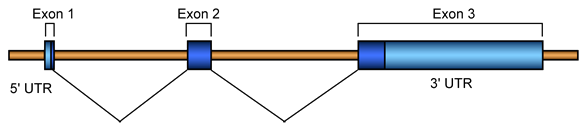
Description
Transcription
Pseudogene
Proteins
Note
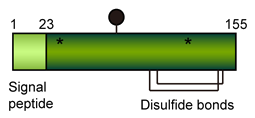
Description
Expression
Th17 cells
Th17 cells are a subset of helper T cells that have effector functions distinct from those of Th1 and Th2 cells. Early reports showed that stimulation with transforming growth factor β1 (TGFβ1) and IL6 is required to induce differentiation of IL17-producing CD4+ T cells (Th17 cells) from naïve CD4+ T cells (Korn et al., 2009). More recent reports have shown that Th17 cells can be categorized into two distinct subsets: conventional Th17 cells (Th17(β) cells, also called non-pathogenic Th17 cells), which differentiate in the presence of IL6 and TGFβ1, and Th17(23) cells (also called pathogenic Th17 cells), which differentiate in the presence of IL6, IL23 and IL1β without exogenous TGFβ1 (Ghoreschi et al., 2010; Basu et al., 2013; Kurebayashi et al., 2013). IL6 and IL1β can induce the expression of IL23 receptor in naïve CD4+ T cells in the absence of TGFβ1. Th17(β) cells express IL9, IL10, CCL20, and CXCR6 as well as IL17A and IL17F, whereas Th17(23) cells express IL22, CCL9 and CXCR3; relative to Th17(β) cells, Th17(23) cells make a greater contribution to pathogenesis in autoimmune diseases (Ghoreschi et al., 2010). Th17 cells stimulated with IL23, which is secreted by dendritic cells and macrophages following stimulation with Toll-like receptor (TLR) ligands, induce expression of TGFβ3, leading to the induction of pathogenic Th17(23) cells (Lee et al., 2012). These pathogenic Th17 cells are characterized by the expression of T-bet (TBX21, T-box protein 21), a master regulator of Th1-cell development, as well as RORγt. Compared with Th1 and Th2 differentiation, Th17-cell differentiation exhibits plastic or flexible features (Oestreich and Weinmann, 2012; Basu et al., 2013). TGFβ1 signaling induces the expression of both Foxp3 and RORγt in antigen-activated naïve CD4+ T cells and is involved in the differentiation of both iTreg and Th17 cells. Therefore, additional factors determine iTreg and Th17 polarization. Furthermore, iTreg and Th17 cells can transdifferentiate under specific conditions (Hoechst et al., 2011). The transition from Th17 cells to Th1 cells is also induced by IL23 and IL12 in a STAT4- and T-bet-dependent manner (Lee et al., 2009; Mukasa et al., 2010).
In addition to RORγt and the aforementioned cytokines, several transcriptional regulators positively regulate Th17 cell differentiation: signal transducer and activator of transcription 3 (STAT3), BATF (basic leucine zipper transcriptional factor, ATF-like), interferon regulatory factor 4 (IRF4), Runt-related transcriptional factor 1 (RUNX1), RORα and aryl hydrocarbon receptor (AHR, a nuclear receptor for a number of low-molecular weight chemicals such as the tryptophan photoproduct 6-formylindolo[3,2-b]carbazole (FICZ)) (Hirahara et al., 2010; Kurebayashi et al., 2013). Moreover, prostaglandin E2, ATP, and C-type lectin ligands act on antigen-presenting cells to facilitate Th17-cell differentiation. By contrast, IL4, interferon-γ (IFNγ), IL27, suppressor of cytokine signaling 3 (SOCS3), and STAT5 all suppress Th17-cell differentiation.
Tc17 cells
CD8+ T cells develop into Tc17 cells in the presence of TGFβ1 and either IL6 or IL21, similar to the requirements for Th17-cell development (Intlekofer et al., 2008). Tc17 cells are also characterized by the expression of RORγt, STAT3, RORα and IL23R. However, Tc17 cells do not express Granzyme B, and they exhibit impaired cytotoxic activity relative to conventional cytotoxic CD8+ T cells (Huber et al., 2009). A recent report suggested that TGFβ signaling is not required for in vivo differentiation of Tc17 cells (Dwivedi et al., 2012).
γδ T cells
Two distinct subsets of CD27+ or CD27- γδ T cells develop in the mouse fetal thymus: co-stimulation of TCR and CD27 induces CD27+ γδ T cells to express T-bet and produce IFNγ whereas the absence of TCR signaling (or weak signaling) promotes the development of IL17A-producing CD27- γδ T cells, a process controlled by RORγt and RUNX1 (Cua and Tato, 2010; Prinz et al., 2013). Because peripheral CD27- γδ T cells have permissive histone modification at loci involved in expression of not only Il17a but also Ifng, they can produce both IL17A and IFNγ upon stimulation with IL1β and IL23 (Schmolka et al., 2013). All innate IL17-producing lymphocytes, including γδ T cells, iNKT cells and LTi cells, express RORγt and develop in an IL6-independent manner (Cua and Tato, 2010).
iNKT cells
iNKT cells are activated in response to glycolipid antigens presented by CD1d (Cua and Tato, 2010; Guo et al., 2012). IL17A-producing iNKT cells develop in the thymus, and express RORγt and IL23R. A recent report suggested that iNKT cells can be induced to produce IL17A in the presence of TGFβ1 and IL1β (Monteiro et al., 2013).
LTi cells
Innate lymphoid cells (ILCs), a family of RAG1/2-negative lymphoid cells, require the common cytokine receptor γ-chain (also known as IL2RG) and inhibitor of DNA binding 2 (ID2), a transcriptional repressor (Guo et al., 2012; Fuchs and Colonna, 2013; Spits et al., 2013). LTi cells, which like NK cells are prototypical ILCs, belong to the Group 3 ILCs (ILC3s), defined by the production of IL17A and/or IL22 (Spits et al., 2013). ILC3s require the expression of RORγt for their development, express IL23R and IL1R, and produce IL17A and/or IL22 upon stimulation with IL23 or IL1β.
B cells
A recent report shows that Trypanosoma crusi promotes IL17A production by B cells in human and mouse (Bermejo et al., 2013). T. crusi trans-sialidase mediates addition of sialyl residues onto CD45 expressed on B cells, resulting in induction of IL17A and F via BTK activation without the involvement of the transcriptional factors RORγt and AHR.
Other cells
Although the details of the underlying signaling pathways and transcriptional factors are not known, cells other than lymphocytes, such as Paneth cells in the gut and CD11b+Gr1+ cells in the injured kidney also produce IL17A (Cua and Tato, 2010).
Localisation
Function
IL17A, IL17F, and the IL17A-IL17F heterodimer bind to a heteromeric receptor complex composed of IL17 receptor A (IL17RA) and IL17 receptor C (IL17RC). IL17RA is expressed at high levels in hematopoietic cells and at low levels in epithelial cells, fibroblasts, and endothelial cells (Gaffen, 2009; Iwakura et al., 2011). On the other hand, IL17RC is expressed at low levels in hematopoietic cells and at high levels in the adrenal gland, prostate, liver, and thyroid. IL17RA has higher affinity for IL17A than IL17F, whereas IL17RC has higher affinity for IL17F than IL17A. Although cytokines secreted by most activated helper T cells generally stimulate the Janus kinase (JAK)/STAT pathway, the IL17-family cytokines stimulate signaling pathways involved in the innate immune system, such as the TLR signaling pathway (Gaffen, 2009; Iwakura et al., 2011).
IL17 receptors contain a conserved domain, similar expression to fibroblast growth factor/IL17R (SEFIR), in the cytoplasmic region. This domain is similar to the Toll-/IL1R (TIR) domain (Gaffen, 2009; Iwakura et al., 2011). When the IL17 receptor is activated, the adaptor molecule actin-related gene 1 (ACT1, a U-box E3 ubiquitin ligase) is recruited to the SEFIR domain and mediates the lysine 63-linked ubiquitination of tumor necrosis factor receptor-associated factor 6 (TRAF6) (Gaffen, 2009; Iwakura et al., 2011). Ubiquitinated TRAF6 then activates the transcriptional factor nuclear factor κB (NFκB), various mitogen-activated protein (MAP) kinases including ERKs and p38, and CCAAT/enhancer-binding proteins (C/EBPβ and C/EBPδ).
IL-17A expression and Th17 cell development are remarkably affected not only by microorganisms and tumors, but also by several environmental factors such as nutrients, metabolites, hypoxia, toxins, NaCl concentrations, and circadian rhythm.
The tryptophan photoproduct FICZ positively regulates Th17-cell differentiation through AHR, whereas 2,3,7,8-tetrachlorodibezo-p-dioxin (TCDD) negatively regulates differentiation through that receptor (Quintana et al., 2008; Veldhoen et al., 2008). Activation of mTORC1 (mTOR complex containing mLST8 and Raptor) promotes Th17-cell differentiation via positive regulation of hypoxia-inducible factor 1α (HIF1α expression and the activation of S6 kinase (Barbi et al., 2013; Kurebayashi et al., 2013). HIF1α directly upregulates expression of RORγt and IL17A. Therefore, amino acid deprivation selectively blocks Th17-cell development through inhibition of mTORC1, whereas hypoxia promotes Th17 development through the activation of HIF1α. High levels of lactic acid, secreted from tumors due to the Warburg effect, induce macrophages or monocytes to mediate increased IL17A production by Th17 cells in an antigen-dependent manner, but do not Th17-cell differentiation or proliferation (Shime et al., 2008; Yabu et al., 2011).
The circadian rhythm is controlled by a series of feedback loops between the transcriptional factors, a CLOCK-BMAL1 complex and REV-ERBα (Arjona et al., 2012). The expression of RORγt is suppressed by the leucine zipper transcriptional factor NFIL3, which is negatively regulated by REV-ERBα (Yu et al., 2013). Accordingly, CD4+ T cells purified during the day express RORγt at higher levels than those purified at night, and tend to differentiate into Th17 cells.
High salt concentration (e.g., 40 mM NaCl) induces phosphorylation of p38 and the expression of serum glucocorticoid kinase 1 (SGK1) and nuclear factor of activated T-cells 5 (NFAT5) to promote the IL23-dependent differentiation of pathogenic Th17 cells (Kleinewietfeld et al., 2013; Wu et al., 2013a). In vivo, a high salt diet promotes Th17-cell differentiation and exacerbates neuropathy in mice with experimental autoimmune encephalomyelitis.
Homology
Implicated in
Overexpression of IL17A in tumor cells suppresses tumor growth in a cytotoxic T lymphocyte-dependent manner (Benchetrit et al., 2002). The transfer of tumor antigen-specific T cells polarized to the IL17-producing phenotype also induces eradication of tumor cells by inducing strong CD8+ T-cell activation (Martin-Orozco et al., 2009). Furthermore, deficiency of IL17A in mice promotes growth and metastasis of tumors (Kryczek et al., 2009b; Martin-Orozco et al., 2009). IL17A-producing T cells are predicted to induce recruitment of other effector cells (e.g., cytotoxic CD8+ T cells and NK cells) to tumors by inducing expression of CXCL9 and CXCL10 within tumor sites (Kryczek et al., 2009a). Moreover, Th17 cells induce expression of CCL20, a ligand for chemokine (C-C motif) receptor 6 (CCR6), in tumor tissues. CCL20 recruits dendritic cells, which mediate anti-tumor effects in a CCL20/CCR6-dependent manner (Martin-Orozco et al., 2009).
On the other hand, overexpression of IL17A in tumors facilitates tumor growth by inducing angiogenesis in the tumor microenvironment (Numasaki et al., 2003; Numasaki et al., 2005). Furthermore, IL17A-deficient or IL17RA-deficient mouse models were used to show that IL17A was involved in the promotion of tumor growth via induction of myeloid-derived suppressor cells (MDSC) (He et al., 2010), activation of IL6-STAT3 pathway (Wang et al., 2009), and elevated angiogenesis (Wakita et al., 2010). The discrepancies between anti-tumor and pro-tumor effects may be due to the distinct roles of IL17A-producing cells in different tumors.
A recent report showed that IL17A is involved in tumor resistance to anti-angiogenic therapy targeting vascular endothelial growth factor A (VEGFA) (Chung et al., 2013). In this case, the primary effect of IL17A is the induction of granulocyte colony-stimulating factor (GCSF) expression in tumor-associated fibroblasts, leading to recruitment of MDSC in the tumor microenvironment and induction of another angiogenic factor, prokineticin 2 (PROK2, Bv8). These results suggest that inhibition of IL17A function may improve the efficacy of anti-angiogenic therapies.
Article Bibliography
| Pubmed ID | Last Year | Title | Authors |
|---|---|---|---|
| 23000010 | 2012 | Immunity's fourth dimension: approaching the circadian-immune connection. | Arjona A et al |
| 19261692 | 2009 | Th17 cells: from precursors to players in inflammation and infection. | Awasthi A et al |
| 23405895 | 2013 | Metabolic control of the Treg/Th17 axis. | Barbi J et al |
| 23405897 | 2013 | The Th17 family: flexibility follows function. | Basu R et al |
| 11877287 | 2002 | Interleukin-17 inhibits tumor cell growth by means of a T-cell-dependent mechanism. | Benchetrit F et al |
| 23529839 | 2013 | Enrichment of regulatory T cells in invasive breast tumor correlates with the upregulation of IL-17A expression and invasiveness of the tumor. | Benevides L et al |
| 23563688 | 2013 | Trypanosoma cruzi trans-sialidase initiates a program independent of the transcription factors RORγt and Ahr that leads to IL-17 production by activated B cells. | Bermejo DA et al |
| 21234303 | 2011 | Intratumoral expression of IL-17 and its prognostic role in gastric adenocarcinoma patients. | Chen JG et al |
| 23738752 | 2013 | Interleukin-17-producing cell infiltration in the breast cancer tumour microenvironment is a poor prognostic factor. | Chen WC et al |
| 20022135 | 2010 | Increased IL-17-producing cells correlate with poor survival and lymphangiogenesis in NSCLC patients. | Chen X et al |
| 23913124 | 2013 | An interleukin-17-mediated paracrine network promotes tumor resistance to anti-angiogenic therapy. | Chung AS et al |
| 20559326 | 2010 | Innate IL-17-producing cells: the sentinels of the immune system. | Cua DJ et al |
| 19533748 | 2009 | Pretreatment frequency of circulating IL-17+ CD4+ T-cells, but not Tregs, correlates with clinical response to whole-cell vaccination in prostate cancer patients. | Derhovanessian E et al |
| 22170065 | 2012 | Transforming growth factor-β protein inversely regulates in vivo differentiation of interleukin-17 (IL-17)-producing CD4+ and CD8+ T cells. | Dwivedi VP et al |
| 19838198 | 2009 | Structural basis of receptor sharing by interleukin 17 cytokines. | Ely LK et al |
| 22028838 | 2011 | A genetic variant in the IL-17 promoter is functionally associated with acute graft-versus-host disease after unrelated bone marrow transplantation. | Espinoza JL et al |
| 20691634 | 2010 | IL-17 and IL-22: siblings, not twins. | Eyerich S et al |
| 24100718 | 2013 | Innate lymphoid cells in homeostasis, infection, chronic inflammation and tumors of the gastrointestinal tract. | Fuchs A et al |
| 19575028 | 2009 | Structure and signalling in the IL-17 receptor family. | Gaffen SL et al |
| 19835883 | 2009 | Structure of IL-17A in complex with a potent, fully human neutralizing antibody. | Gerhardt S et al |
| 20962846 | 2010 | Generation of pathogenic T(H)17 cells in the absence of TGF-β signalling. | Ghoreschi K et al |
| 23034650 | 2012 | Adenoma-linked barrier defects and microbial products drive IL-23/IL-17-mediated tumour growth. | Grivennikov SI et al |
| 22959641 | 2012 | Cytokine-induced cytokine production by conventional and innate lymphoid cells. | Guo L et al |
| 20118280 | 2010 | IL-17 promotes tumor development through the induction of tumor promoting microenvironments at tumor sites and myeloid-derived suppressor cells. | He D et al |
| 19471017 | 2009 | Type 17 CD8+ T cells display enhanced antitumor immunity. | Hinrichs CS et al |
| 21084214 | 2010 | Signal transduction pathways and transcriptional regulation in Th17 cell differentiation. | Hirahara K et al |
| 21493801 | 2011 | Plasticity of human Th17 cells and iTregs is orchestrated by different subsets of myeloid cells. | Hoechst B et al |
| 19544308 | 2009 | A Th17-like developmental process leads to CD8(+) Tc17 cells with reduced cytotoxic activity. | Huber M et al |
| 11574464 | 2001 | IL-17s adopt a cystine knot fold: structure and activity of a novel cytokine, IL-17F, and implications for receptor binding. | Hymowitz SG et al |
| 18635804 | 2008 | Anomalous type 17 response to viral infection by CD8+ T cells lacking T-bet and eomesodermin. | Intlekofer AM et al |
| 21349428 | 2011 | Functional specialization of interleukin-17 family members. | Iwakura Y et al |
| 24548421 | 2014 | Interleukin-17A and -17F genes polymorphisms in lung cancer. | Kaabachi W et al |
| 23589566 | 2013 | Innate lymphoid cells sustain colon cancer through production of interleukin-22 in a mouse model. | Kirchberger S et al |
| 23467095 | 2013 | Sodium chloride drives autoimmune disease by the induction of pathogenic TH17 cells. | Kleinewietfeld M et al |
| 15485625 | 2004 | Interleukin-17 family members and inflammation. | Kolls JK et al |
| 19132915 | 2009 | IL-17 and Th17 Cells. | Korn T et al |
| 19470694 | 2009 | Phenotype, distribution, generation, and functional and clinical relevance of Th17 cells in the human tumor environments. | Kryczek I et al |
| 19289853 | 2009 | Endogenous IL-17 contributes to reduced tumor growth and metastasis. | Kryczek I et al |
| 23383714 | 2013 | Recent advances in understanding the molecular mechanisms of the development and function of Th17 cells. | Kurebayashi Y et al |
| 22961052 | 2012 | Induction and molecular signature of pathogenic TH17 cells. | Lee Y et al |
| 19119024 | 2009 | Late developmental plasticity in the T helper 17 lineage. | Lee YK et al |
| 22455413 | 2012 | Anti-interleukin-17 monoclonal antibody ixekizumab in chronic plaque psoriasis. | Leonardi C et al |
| 21396350 | 2011 | IL-17 is associated with poor prognosis and promotes angiogenesis via stimulating VEGF production of cancer cells in colorectal carcinoma. | Liu J et al |
| 23695682 | 2013 | Crystal structures of interleukin 17A and its complex with IL-17 receptor A. | Liu S et al |
| 21483813 | 2011 | The accumulation and prognosis value of tumor infiltrating IL-17 producing cells in esophageal squamous cell carcinoma. | Lv L et al |
| 19879162 | 2009 | T helper 17 cells promote cytotoxic T cell activation in tumor immunity. | Martin-Orozco N et al |
| 8490958 | 1993 | A structural superfamily of growth factors containing a cystine knot motif. | McDonald NQ et al |
| 23293359 | 2013 | Induced IL-17-producing invariant NKT cells require activation in presence of TGF-β and IL-1β. | Monteiro M et al |
| 20471290 | 2010 | Epigenetic instability of cytokine and transcription factor gene loci underlies plasticity of the T helper 17 cell lineage. | Mukasa R et al |
| 16237115 | 2005 | IL-17 enhances the net angiogenic activity and in vivo growth of human non-small cell lung cancer in SCID mice through promoting CXCR-2-dependent angiogenesis. | Numasaki M et al |
| 20485275 | 2010 | The dual nature of T(H)17 cells: shifting the focus to function. | O'Connor W Jr et al |
| 23059426 | 2012 | Master regulators or lineage-specifying? Changing views on CD4+ T cell transcription factors. | Oestreich KJ et al |
| 24699997 | 2014 | Significant association between interleukin-17A polymorphism and colorectal cancer. | Omrane I et al |
| 22455412 | 2012 | Brodalumab, an anti-interleukin-17-receptor antibody for psoriasis. | Papp KA et al |
| 23928962 | 2013 | Functional development of γδ T cells. | Prinz I et al |
| 24315816 | 2014 | Effect of interleukin-17A and interleukin-17F gene polymorphisms on the risk of gastric cancer in a Chinese population. | Qinghai Z et al |
| 23049595 | 2012 | Association between IL17 polymorphisms and risk of cervical cancer in Chinese women. | Quan Y et al |
| 18362915 | 2008 | Control of T(reg) and T(H)17 cell differentiation by the aryl hydrocarbon receptor. | Quintana FJ et al |
| 24039363 | 2013 | Polymorphism in the interleukin-17A promoter contributes to gastric cancer. | Rafiei A et al |
| 8390535 | 1993 | CTLA-8, cloned from an activated T cell, bearing AU-rich messenger RNA instability sequences, and homologous to a herpesvirus saimiri gene. | Rouvier E et al |
| 23995235 | 2013 | Epigenetic and transcriptional signatures of stable versus plastic differentiation of proinflammatory γδ T cell subsets. | Schmolka N et al |
| 18519750 | 2008 | Phenotypic analysis of prostate-infiltrating lymphocytes reveals TH17 and Treg skewing. | Sfanos KS et al |
| 19414056 | 2009 | Genetic polymorphism of interleukin-17A and -17F genes in gastric carcinogenesis. | Shibata T et al |
| 18490716 | 2008 | Tumor-secreted lactic acid promotes IL-23/IL-17 proinflammatory pathway. | Shime H et al |
| 23348417 | 2013 | Innate lymphoid cells--a proposal for uniform nomenclature. | Spits H et al |
| 24402773 | 2014 | Th17 cell expansion in gastric cancer may contribute to cancer development and metastasis. | Su Z et al |
| 21303976 | 2011 | Clinical impact of different classes of infiltrating T cytotoxic and helper cells (Th1, th2, treg, th17) in patients with colorectal cancer. | Tosolini M et al |
| 18362914 | 2008 | The aryl hydrocarbon receptor links TH17-cell-mediated autoimmunity to environmental toxins. | Veldhoen M et al |
| 20397212 | 2010 | Tumor-infiltrating IL-17-producing gammadelta T cells support the progression of tumor by promoting angiogenesis. | Wakita D et al |
| 22461912 | 2012 | Association analysis of IL-17A and IL-17F polymorphisms in Chinese Han women with breast cancer. | Wang L et al |
| 19564351 | 2009 | IL-17 can promote tumor growth through an IL-6-Stat3 signaling pathway. | Wang L et al |
| 23467085 | 2013 | Induction of pathogenic TH17 cells by inducible salt-sensing kinase SGK1. | Wu C et al |
| 24382972 | 2013 | Interleukin-17: a promoter in colorectal cancer progression. | Wu D et al |
| 19904747 | 2010 | Association between polymorphisms in interleukin-17A and interleukin-17F genes and risks of gastric cancer. | Wu X et al |
| 21131367 | 2011 | IL-23-dependent and -independent enhancement pathways of IL-17A production by lactic acid. | Yabu M et al |
| 24202171 | 2013 | TH17 cell differentiation is regulated by the circadian clock. | Yu X et al |
| 18655770 | 2008 | The prevalence of Th17 cells in patients with gastric cancer. | Zhang B et al |
| 19329213 | 2009 | Increased intratumoral IL-17-producing cells correlate with poor survival in hepatocellular carcinoma patients. | Zhang JP et al |
| 24218334 | 2014 | Analysis of the association of interleukin-17 gene polymorphisms with gastric cancer risk and interaction with Helicobacter pylori infection in a Chinese population. | Zhang X et al |
| 24523865 | 2014 | Tc17 cells in patients with uterine cervical cancer. | Zhang Y et al |
| 22692973 | 2013 | Interleukin-17 gene polymorphisms are associated with bladder cancer in a Chinese Han population. | Zhou B et al |
| 22710190 | 2012 | CD8(+) T cells that produce interleukin-17 regulate myeloid-derived suppressor cells and are associated with survival time of patients with gastric cancer. | Zhuang Y et al |
| 20336152 | 2010 | T(H)17 cells in tumour immunity and immunotherapy. | Zou W et al |
Other Information
Locus ID:
NCBI: 3605
MIM: 603149
HGNC: 5981
Ensembl: ENSG00000112115
Variants:
dbSNP: 3605
ClinVar: 3605
TCGA: ENSG00000112115
COSMIC: IL17A
RNA/Proteins
| Gene ID | Transcript ID | Uniprot |
|---|---|---|
| ENSG00000112115 | ENST00000648244 | Q16552 |
Expression (GTEx)
Pathways
Protein levels (Protein atlas)
PharmGKB
| Entity ID | Name | Type | Evidence | Association | PK | PD | PMIDs |
|---|---|---|---|---|---|---|---|
| PA164713366 | Tumor necrosis factor alpha (TNF-alpha) inhibitors | Chemical | ClinicalAnnotation | associated | PD | 24776844 | |
| PA443750 | Colitis, Ulcerative | Disease | ClinicalAnnotation | associated | PD | 24776844 | |
| PA445210 | Pain, Postoperative | Disease | ClinicalAnnotation | associated | PD | 30106258 | |
| PA446116 | Inflammatory Bowel Diseases | Disease | ClinicalAnnotation | associated | PD | 24776844 | |
| PA452618 | opioids | Chemical | ClinicalAnnotation | associated | PD | 30106258 |
References
| Pubmed ID | Year | Title | Citations |
|---|---|---|---|
| 37635345 | 2024 | IL-17A is involved in the hyperplasia of blood vessels in local lesions of psoriasis by inhibiting autophagy. | 0 |
| 37906942 | 2024 | Kidney-Specific Interleukin-17 Responses During Infection and Injury. | 0 |
| 37936307 | 2024 | High expression of interleukin-17A in cutaneous sarcoidosis. | 0 |
| 37964584 | 2024 | Serum concentrations of 25-OH vitamin D and the pro-inflammatory interleukins IL-17, IL-23, and IL-18 in patients with plaque psoriasis. | 0 |
| 38019129 | 2024 | IL-17A Orchestrates Reactive Oxygen Species/HIF1α-Mediated Metabolic Reprogramming in Psoriasis. | 2 |
| 38051374 | 2024 | Serum IL-17 and TNFα as prognostic biomarkers in systemic sclerosis patients: a prospective study. | 1 |
| 38153389 | 2024 | Association of Polymorphisms of the IL-17A and IL-17F Genes with Increased Risk of Hypertension and Obesity in Mexican Patients with COVID-19. | 0 |
| 38228216 | 2024 | Gene polymorphisms of IL-17A and bacterial meningitis in Angolan children. | 0 |
| 38261743 | 2024 | IL-17 promotes IL-18 production via the MEK/ERK/miR-4492 axis in osteoarthritis synovial fibroblasts. | 0 |
| 38270309 | 2024 | Association of polymorphism of IL-17A, IL-17F, and IL-6 with Toxoplasma gondii infection susceptibility in HIV/AIDS patients in Shiraz, southern Iran. | 0 |
| 38273234 | 2024 | Unraveling IL-17 and IL-22 role in occult hepatitis C versus chronic hepatitis C virus infection. | 0 |
| 38279220 | 2024 | Traversing through the Mechanistic Event Analysis in IL-6 and IL-17 Signaling for a New Therapeutic Paradigm in NSCLC. | 0 |
| 38316760 | 2024 | IL-17 promotes osteoclast-induced bone loss by regulating glutamine-dependent energy metabolism. | 2 |
| 38394046 | 2024 | IL-17A deficiency inhibits lung cancer-induced osteoclastogenesis by promoting apoptosis of osteoclast precursor cells. | 0 |
| 38394507 | 2024 | Interleukin gene polymorphisms and alopecia areata: A systematic review and meta-analysis. | 0 |
Citation
Norimitsu Inoue ; Takashi Akazawa
IL17A (interleukin 17A)
Atlas Genet Cytogenet Oncol Haematol. 2014-04-01
Online version: http://atlasgeneticsoncology.org/gene/40945/il17a
Historical Card
2011-01-01 IL17A (interleukin 17A) by Norimitsu Inoue,Takashi Akazawa Affiliation
